



Initialising ...
Initialising ...
Initialising ...
Initialising ...
Initialising ...
Initialising ...
Initialising ...
 Tc separation/concentration technology from
 Mo by (n,
 ) method, 4
末松 久幸*; Yang, Y.*; 伊藤 陽登*; Le, A. V.*; Su, Y.*; 加藤 涼那*; Do, T. M. D.*; 鈴木 達也*; 大沢 直樹*; 藤田 善貴; et al.
KURNS Progress Report 2025, P. 118, 2026/06
これまでの研究で、中性子照射した -MoO
 ターゲットからホットアトムの反跳効果により水中へのMo抽出率が時間とともに増加することを示した。本研究では、水抽出後ターゲットを再照射するためのリサイクル性評価を目的に、水浸漬後の-MoO粉末を乾燥した試料のMo生成量及び構造安定性を確認した。また、比較試料として、-MoO、MoO
 、Mo
 O
 及び水浸漬させた水和-MoOを用意した。これらの試料を京都大学研究用原子炉(KUR)で20分間照射後、粉末を蒸留水中において室温で5.5時間攪拌させ、水へのMo抽出率を調べた。その結果、乾燥後の-MoOが最も高い抽出率を示し、対照的に水和-MoOは通常の-MoO相と比較して抽出率が著しく低下した。また、MoOの抽出率は低く、MoOではほとんどMoが抽出されなかった。これらの結果から、ホットアトムによる反跳効果及び水へのMo抽出率がモリブデン酸化物の結晶構造及び酸化状態に依存することを明らかにした。
Jiang, L.*; Wang, H. H.*; Su, Y. H.; 徐 平光; 篠原 武尚; Xia, B.*; Wang, Y. W.*
Journal of Materials Science, 61(14), p.9754 - 9775, 2026/04
被引用回数:0 パーセンタイル:0.00(Materials Science, Multidisciplinary)In this study, pulsed neutron Bragg-edge transmission imaging was employed to characterize plastic deformation of high-manganese austenitic steel during cryogenic impact fracture. Electron backscatter diffraction was used to examine the microstructural evolution. The results reveal that the Bragg-edge width was identified as the critical value for large plastic deformation. Both crack initiation and stable crack growth regions exhibited higher levels of plastic deformation, twin density, and dislocation density compared to unstable crack growth regions. As the test temperature decreased from 273 K to 77 K, the transition point from stable to unstable crack growth occurred earlier. This is responsible for the reduction in impact absorbed energy. These findings provide new insights into the cryogenic toughening mechanism of high-manganese steel.
Xia, B.*; Wang, H. H.*; Su, Y. H.; 徐 平光; 篠原 武尚; Wang, Y. W.*
Materials Science & Engineering A, 957, p.149940_1 - 149940_7, 2026/04
被引用回数:1 パーセンタイル:71.18(Nanoscience & Nanotechnology)The cryogenic fracture mechanism of high-Mn austenitic steels was investigated using a quasi-in situ experiment of interrupted Charpy impact test, together with electron backscatter diffraction and neutron Bragg-edge transmission imaging. The results show that voids coalesce through void sheeting at 77 K, a fracture mechanism associated with superior cryogenic toughness. The widely and ring-like distributed deformation twins ahead of the crack tip contribute limitedly to alleviating strain localization at 77 K. However, by suppressing the increase in stress triaxiality, deformation twins play a key role in promoting void sheeting and preventing the transition to quasi-cleavage fracture. This work lays the foundation for subsequent investigations into cryogenic toughening.
 Cr
 S

Zhao, G.*; Li, J.*; Zhang, J.*; 小嶋 健児*; Cai, Y.*; 伊藤 孝; Yoon, S. W.*; Wang, X.*; 前川 禎通*; Su, G.*; et al.
Physical Review Research (Internet), 8(1), p.013331_1 - 013331_10, 2026/03
Ferrotoroidic materials, which break both time- and space-reversal symmetries to enhance magnetoelectric responses, are of great interest for applications. BaCrS, a recently synthesized quasi-one-dimensional ferrotoroidic candidate, combines polarization, magnetization, and toroidal moment, yet its electronic band structure, magnetic evolution, and phase transitions remain incompletely understood to date. Here, we investigate BaCrS, using electrical transport, direct current magnetization, alternating current susceptibility, specific heat, and muon spin rotation ( SR) measurements, along with various first-principles calculations. Electrical transport measurements and density functional theory confirm a narrow band gap (
 0.707~eV, experimentally; 0.680~eV, theoretically). SR measurements reveal that static magnetism dominates down to 2~K, with an ordered volume fraction of 89% at this temperature. Two distinct transitions are identified: one around the N
 el temperature [
 ~K] and another corresponding to a phase transition near 30~K, as consistently indicated by our complementary experimental techniques. The absence of dynamic critical behaviors and the lack of a
 -type specific heat anomaly are consistent with a first-order-like transition at
 . Based on various complementary experimental results and theoretical calculations, we propose a hypothesis that the 30~K broad feature arises from the complex interplay between crystal structure distortion and magnetic coupling, which is potentially directly linked to ferrotoroidicity. As the first study integrating SR with complementary experiments and first-principles calculations to explore ferrotoroidicity, this work provides key insights into the underlying physics of BaCrS and related compounds in this area.
Qin, T. Y.*; Hu, F. F.*; 徐 平光; Zhang, R.*; Su, Y. H.; Ao, N.*; Li, Z. W.*; 篠原 武尚; 菖蒲 敬久; Wu, S. C.*
International Journal of Fatigue, 202, p.109233_1 - 109233_16, 2026/01
被引用回数:7 パーセンタイル:82.70(Engineering, Mechanical)The surface induction-hardened S38C medium carbon steel shows a good balance of strength and toughness, but complicates the evaluation of fatigue resistance, mainly because of gradient residual stress (RS) and grains. An integrated fatigue resistance assessment (AIFA) framework was proposed to consider the residual stress relief under stochastic loads. To this end, quasi-in situ neutron diffraction and Bragg-edge imaging were combined to probe the evolution of residual stress during crack propagation. Firstly, a rigid-flexible coupled vehicle dynamics model was adopted to obtain the time-domain variable amplitude loading spectrum. Then, Fortran subroutines were developed to assign these data into full-scale S38C axle model, and the remaining life was predicted using the damage tolerance approach. The results demonstrate that crack propagation would accelerate when residual stress is considered in the case of the crack depth exceeding 3.0 mm. It is, for the first time, found that 15 mm- and 5 mm-thickness fan-shaped specimens can retain the axial and hoop residual strain in terms of diffraction angle variation, respectively, for full-scale structural S38C steel axles. In the absence of RS, the remaining life of the axle decreases sharply from 624,800 to 51,300 km as the crack depth increases from 3.0 to 16 mm. Compared with the standard method under constant amplitude loading without residual stress relief, the present AIFA method provides the more accurate but conservative fatigue life prediction.
Su, Y. H.; 篠原 武尚; Parker, J. D.*; 及川 健一; 甲斐 哲也; Gong, W.; 伊東 達矢; Harjo, S.; 相澤 一也; 鬼柳 善明*; et al.
Materials Science & Engineering A, 951, p.149607_1 - 149607_16, 2026/01
被引用回数:0 パーセンタイル:0.00(Nanoscience & Nanotechnology)Local variations in residual stress/strain and microstructure during fatigue crack growth in compact tension specimens of SUS304 austenitic stainless steel were investigated using complementary methods: pulsed neutron Bragg-edge imaging (NBEI), neutron diffraction (ND), digital image correlation (DIC) and electron backscatter diffraction (EBSD). Surface strain fields were evaluated using DIC and EBSD. NBEI provided two-dimensional averaged microstructure information, whereas ND yielded detailed three-dimensional distributions of residual lattice (elastic) strain and stress. This study particularly focused on how NBEI is helpful in understanding overall damage characteristics in the vicinity of a crack tip two-dimensionally. Distribution of microstructural parameters associated with crack growth, such as lattice constant, crystallite size, and texture, across the entire specimen was considered using Bragg-edge spectral analysis. The plastic zone in front of the crack tip, characterized by reduced crystallite size, was observed during crack propagation. After final fracture, two distinct zones with reduced crystallite size were identified: one caused by localized plastic deformation near the crack tip, and the other by bending at the back end of the specimen. This paper introduces the four experimental techniques and describes their respective features. Each method has its own advantages and limitations; However, by integrating their results, a more comprehensive understanding of the overall stress/strain field can be achieved.
Hu, F. F.*; Qin, T. Y.*; Su, Y. H.; He, L. H.*; Ao, N.*; Parker, J. D.*; 篠原 武尚; Wu, S. C.*
International Journal of Fatigue, 193, p.108826_1 - 108826_14, 2025/04
被引用回数:8 パーセンタイル:82.70(Engineering, Mechanical)The relaxation behaviors of residual stress and the influence on the fatigue resistance of S38C axles with induction hardening were investigated by using advanced Bragg-edge transmission imaging and neutron diffraction as well as XFEM-based numerical modeling. The Bragg-edge imaging results indicate that lattice parameters change as the crack develops, which then leads to a decrease of residual strain. In addition, it was observed from neutron diffraction results that all three residual stress components decrease with the crack growth. By contrast, the compressive residual stress in the axle surface was almost fully released when the crack propagated to the matrix material zone. Furthermore, residual stress relaxation was validated by the extended finite element method. These new insights confirm stress relaxation in railway S38C axles during crack propagation, which must be considered while carrying out the structural integrity assessment.
Hu, F.-F.*; Qin, T.-Y.*; Ao, N.*; 徐 平光; Su, Y. H.; Parker, J. D.*; 篠原 武尚; 菖蒲 敬久; Kang, G.-Z.*; Ren, M.-M.*; et al.
Journal of Traffic and Transportation Engineering, 25(2), p.75 - 93, 2025/04
To accurately predict the remaining lifetime of surface-strengthened railway axles, a damage tolerance method considering three-dimensional (3D) residual stresses was proposed. By taking the induction-hardened carbon steel S38C axle as an example, two-dimensional (2D) distribution characterization of residual strain and 3D residual stress measurement were performed through comprehensive application of the neutron Bragg-edge transmission imaging and angle-dispersive neutron diffraction experiments. A numerical method was employed to implant the 3D residual stress into the axle model, and the remaining lifetime of the full-scale axle was studied by coupling the measured load spectrum, press-fit loads, and residual stresses. Experimental results shows that, both axial and hoop directions present a compressive residual strain gradient layer of about 3 mm, with a maximum compressive residual strain of up to -4500  in the surface layer, yet a maximum tensile strain of up to 1000 in the core. The maximum axial and hoop compressive stresses of the axle are about -500 MPa and -303 MPa respectively, while radial stresses overall fluctuate in the zero mean stress range. At depths beyond 4.5 mm from the surface layer, all three components are tensile stresses. The axle surface layer is subjected to compressive residual stresses, and crack propagation does not occur if the crack depth is less than 4.5 mm. Nevertheless, cracks propagate accelerates when the crack depth is greater than 4.5 mm. Different crack propagation depth thresholds lead to a larger calculated remaining lifetime for the residual stress-free condition than for the case where 3D residual stresses are taken into account. However, the axle remaining service mileage of the axle of 227000 Km under the most conservative conditions exceeds 3.5 non-destructive inspection (NDI) cycles, with a large safety margin. The experimental results can provide a scientific reference for the development and optimization of NDI cycles for surface-strengthened railway axles.
 GeTe to hydrostatic pressure
Wang, Y.*; Zeng, X.-T.*; Li, B.*; Su, C.*; 服部 高典; Sheng, X.-L.*; Jin, W.*
Chinese Physics B, 34(4), p.046203_1 - 046203_6, 2025/03
被引用回数:0 パーセンタイル:0.00(Physics, Multidisciplinary)二次元ファンデルワールス強磁性体FeGeTe(FGT)は、その高いキュリー温度、容易な調整性、空気中での優れた構造安定性から、スピントロニクスデバイスへの応用に大きな可能性を秘めている。理論的研究により、外部パラメータとしての圧力が強磁性特性に大きく影響することが示されている。本研究では、5GPaまでの高圧中性子粉末回折(NPD)実験を行い、FGTの静水圧による構造及び磁気特性の変化を調べた。NPDデータは、静水圧による見かけ上の抑制にもかかわらず、FGTにおける強磁性の頑健性を明らかにした。圧力が0から5GPaまで増加すると、キュリー温度は225(5)Kから175(5)Kまで単調減少し、Feの秩序モーメントが劇的に抑制されることがわかった。圧力による構造相転移は5GPaまで観測されなかったが、結合長と結合角の変化を定量的に解析した結果、交換相互作用が大きく変化していることがわかった。
Sans-Planell, O.*; 篠原 武尚; Grazzi, F.*; Cantini, F.*; Su, Y. H.; 松本 吉弘*; Parker, J. D.*; Manke, I.*
Review of Scientific Instruments, 95(11), p.113702_1 - 113702_5, 2024/11
被引用回数:2 パーセンタイル:20.06(Instruments & Instrumentation)This study presents a significant development in the Energy-Resolved Neutron Imaging System RADEN, in the Japan Proton Accelerator Research Complex, Japan. Through a systematic study, the collimation power of the facility was reevaluated. To perform the calculation of the L/D factor of the beam, a state-of-the-art method has been used, along with a standard reference sample to measure the resolution of neutron images. To add robustness to the results, the study compares five different scintillators of different composition and thickness.
渡辺 賢一*; 須貝 優介*; 長谷川 創大*; 田中 清志朗*; 人見 啓太朗*; 野上 光博*; 篠原 武尚; Su, Y. H.; Parker, J. D.*; Kockelmann, W.*
Scientific Reports (Internet), 14, p.25224_1 - 25224_13, 2024/10
被引用回数:2 パーセンタイル:20.06(Multidisciplinary Sciences)Thallium bromide (TlBr) semiconductor detectors are being developed as promising candidates for high-detection-efficiency, high-energy-resolution, and room-temperature gamma-ray spectrometers. This study presents methods for evaluating TlBr crystal quality and carrier transport characteristics using neutron Bragg-dip imaging and the time-of-flight method for pulsed-laser-induced carriers, respectively. In this study, two samples obtained from both the upstream and downstream region in the crystal ingot were evaluated.
RhSi社本 真一; 山内 宏樹; 飯田 一樹*; 池内 和彦*; 金子 耕士; Chen, Y.-S.*; 矢野 真一郎*; Hsu, P.-T.*; Lee, M. K.*; Hall, A. E.*; et al.
Physical Review Research (Internet), 6(3), p.033303_1 - 033303_7, 2024/09
MnRhSiの磁気励起は少なくとも0.3から140meVに広がる。200Kでの非弾性散乱強度を積分することで、Mnサイト当たり約5 の磁気モーメントは、約5であることがわかった。一方で、長距離磁気秩序の磁気モーメントは4Kでわずか2.61であり、多くの部分が低温まで揺らいでいることがわかった。
Wang, Y.*; Gong, W.; Su, Y. H.; Li, B.*
Acta Metallurgica Sinica, 60(8), p.1001 - 1016, 2024/08
被引用回数:6 パーセンタイル:48.92(Metallurgy & Metallurgical Engineering)The correlation between the atomic structure, microstructure, and macroscopic properties of structural materials remains a core issue in materials research. In recent years, substantial progress has been achieved in constructing accelerator-based neutron sources and related experimental techniques, offering a robust platform for an in-depth understanding of the aforementioned correlation under real-time and in situ conditions. This article reviews the latest advancements in the application of major neutron characterization techniques, including neutron diffraction, Bragg-edge imaging, small-angle neutron scattering, pair distribution function analysis, and quasi-elastic/inelastic neutron scattering, in structural materials. Furthermore, it particularly highlights the origins and evolution of internal stresses during the phase transformations of steels, deformation mechanisms in light metals such as magnesium alloys, and microstructure and residual stress analyses using Bragg-edge imaging. Finally, a brief outlook on future development trends is provided.
Hu, F. F.*; Qin, T. Y.*; Ao, N.*; Su, Y. H.; Zhou, L.*; 徐 平光; Parker, J. D.*; 篠原 武尚; Chen, J.*; Wu, S. C.*
Engineering Fracture Mechanics, 306, p.110267_1 - 110267_18, 2024/08
被引用回数:5 パーセンタイル:40.95(Mechanics)Non-destructive and quantitative mapping of gradient residual strain distribution in surface-hardened railway S38C axles could provide a positive reference for determining service lifetime and maintenance strategy. To tackle this concern, time-of-flight neutron Bragg-edge transmission imaging was employed by real axle samples with and without impacted crater. A novel and simple procedure to formulate the residual strain field was also developed in this work, with the transmission batch code in Appendix A. By mapping the global two- dimensional residual strains, it can be verified that the residual strains into the axle are uniformly distributed in the hoop direction. Subsequently, it was revealed that the axial and hoop residual strains, respectively in the cylinder and the long strip samples prepared from a real S38C hollow axle, indicated a gradient evolution distribution with a depth of 8 mm, covering a range of -5500 1000 for axial strains and -6500 1000 for hoop strains. More importantly, the maximum compressive lattice strain of the cylinder sample was increased by 15.61%, and 22.35% at the impacting speeds of 100, and 125 m/s, respectively; and that of the long strip sample increased by 29.17%, and 43.70%, respectively. It can thus be concluded that lattice strains have redistributed around the impact crater, demonstrating the local alteration of the residual strain field. These new findings suggest the localized variation in residual strains should be taken into account while evaluating the service damage evolution of railway axles, especially those affected by high-speed impacts during operation.
Qin, T. Y.*; Hu, F. F.*; 徐 平光; Zhang, H.*; Zhou, L.*; Ao, N.*; Su, Y. H.; 菖蒲 敬久; Wu, S. C.*
International Journal of Fatigue, 185, p.108336_1 - 108336_13, 2024/08
被引用回数:22 パーセンタイル:89.47(Engineering, Mechanical)Gradient distribution of triaxial residual stresses to a depth of several millimeters is retained in middle carbon steel S38C axles after high-frequency induction hardening, which has become a critical concern for fatigue structural integrity. To address this, the axial, hoop, and radial gradient residual strains inside the axles were measured for the first time by advanced neutron diffraction. The SIGINI Fortran subroutine was then adopted to reconstruct the global initial residual stress field from the measured data. Experimental and simulation results show that residual stresses of about -520 MPa (axial), -710 MPa (hoop), and -40 MPa (radial) residual stress were retained below the axle surface. Subsequently, the fatigue crack propagation behavior of S38C axles was numerically investigated in the framework of fracture mechanics. The calculated results clearly show that the compressive residual stresses at a depth of 0?3 mm from the axle surface lead to a low crack growth driving force, and that fatigue cracks do not propagate as long as the crack depth is less than 3.7 mm for hollow S38C axles. These results further indicate that the maximum defect size allowed in routine inspections is acceptable from a safety and economic point of view. Accurate measurement and characterization of the global gradient residual stress field through experiments and simulations can provide an important reference for optimizing the mileage intervals of nondestructive testing (NDT) of surface defects in these surface-strengthened railway axles.
Wang, Y. W.*; 徐 平光; Su, Y. H.; Ma, Y. L.*; Wang, H. H.*
Physics Examination and Testing, 42(4), p.32 - 41, 2024/08
With the rapid technological development of large spallation neutron source facilities, the neutron beam flux obtained has been greatly improved and neutron imaging techniques have been further developed. Due to the limitation of neutron beam flux, conventional neutron imaging techniques require neutron beams with a wide wavelength range to obtain relatively high neutron beam flux conditions. Recently, spallation neutron sources using large proton accelerators have made it possible to obtain high-flux pulsed neutron beams. Energy (wavelength) resolved neutron imaging technique based on the Bragg edge effect (neutron Bragg edge transmission imaging technique) is expected to have a wide range of applications because of its high energy resolution, high spatial resolution, and ability to detect crystallographic information. The basic principle of this technique is briefly introduced. Several applications in the evaluation of residual strain, phase composition, dislocation density, and oriented structure are also reviewed to play an active role in promoting the wider applications of related technique.
Zhou, L.*; Zhang, H.*; Qin, T. Y.*; Hu, F. F.*; 徐 平光; Ao, N.*; Su, Y. H.; He, L. H.*; Li, X. H.*; Zhang, J. R.*; et al.
Metallurgical and Materials Transactions A, 55(7), p.2175 - 2185, 2024/07
被引用回数:4 パーセンタイル:34.73(Materials Science, Multidisciplinary)High-speed railway S38C axles undergo surface induction hardening for durability, but are susceptible to fatigue cracks from foreign object impact. The neutron diffraction method was employed to measure the residual strain in S38C axles, obtaining microscopic lattice distortion data, for the gradient layer at a depth of 8 mm under the surface. The results showed that after induction-hardening, the microscopic lattice distortion had a gradient distribution, decreasing with the distance from the surface. However, in the case of impacting speed of 600 km/m, the average microscopic lattice distortion increased with the distance from the surface, reaching a maximum augmentation of 55 pct. These findings indicate a strong experimental basis, and improve our understanding of the relationship between macroscopic residual stress and decision-making, in regard to operation and maintenance.
 complex exhibiting intermolecular proton shifting coupled spin transition
Ji, T.*; Su, S.*; Wu, S.*; 堀 優太*; 重田 育照*; Huang, Y.*; Zheng, W.*; Xu, W.*; Zhang, X.*; 鬼柳 亮嗣; et al.
Angewandte Chemie; International Edition, 63(25), p.e202404843_1 - e202404843_6, 2024/04
被引用回数:4 パーセンタイル:31.68(Chemistry, Multidisciplinary)In this study, we investigated reversible intermolecular proton shifting (IPS) coupled with spin transition (ST) in a novel Fe complex. The host Fe complex and the guest carboxylic acid anion were connected by intermolecular hydrogen bonds (IHBs). We extended the intramolecular proton transfer coupled ST phenomenon to the intermolecular system. The dynamic phenomenon was confirmed by variable-temperature single-crystal X-ray diffraction, neutron crystallography, and infrared spectroscopy.
CoSi山内 宏樹; Sari, D. P.*; 安井 幸夫*; 坂倉 輝俊*; 木村 宏之*; 中尾 朗子*; 大原 高志; 本田 孝志*; 樹神 克明; 井川 直樹; et al.
Physical Review Research (Internet), 6(1), p.013144_1 - 013144_9, 2024/02
-Mn-type family alloys Mn have three-dimensional antiferromagnetic (AFM) corner-shared triangular network. The antiferromagnet MnRhSi shows magnetic short-range order (SRO) over a wide temperature range of approximately 500 K above the Nel temperature = 190 K. MnCoSi has the smallest lattice parameter and the lowest in the family compounds. The quantum critical point (QCP) from AFM to the quantum paramagnetic state is expected near a cubic lattice parameter of 6.15
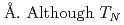 of MnCoSi is only 140 K, quantum critical behavior is observed in MnCoSi as the enhancement of the electronic specific heat coefficient . We study how the magnetic SRO appears in MnCoSi by using neutron scattering, SR, and physical property measurements. The experimental results show that the neutron scattering intensity of the magnetic SRO does not change much regardless of the suppressed magnetic moment in the long-range magnetic ordered state compared to those of MnRhSi. The initial asymmetry drop ratio of SR above becomes small, and the magnetic SRO temperature
 is suppressed to 240 K. The results suggest that the MnCoSi is close to the QCP in the Mn system.
渡辺 賢一*; 須貝 優介*; 長谷川 創大*; 人見 啓太朗*; 野上 光博*; 篠原 武尚; Su, Y. H.; Parker, J. D.*; Kockelmann, W.*
Sensors and Materials, 36(1), p.149 - 154, 2024/01
被引用回数:2 パーセンタイル:20.06(Instruments & Instrumentation)Thallium bromide (TlBr) semiconductor detectors are promising candidates for high-detection-efficiency, high-energy-resolution, and room-temperature gamma-ray spectrometers. In this study, we conducted neutron Bragg dip and electron backscatter diffraction (EBSD) imaging of TlBr crystals to measure the crystal orientation distribution. We confirmed that crystal grains were continuous over a certain distance along the solidification direction for samples fabricated with the current growth procedure.
